A Day in the Life of a Lebanese Beekeeper
The alarm goes off before the sun rises over the mountains of Northern Lebanon. By 5:30 AM, the kitchen smells of strong Lebanese coffee and the first light is just beginning to paint the ridgeline above Barhalioun in shades of amber and rose. This is how every day starts at Dany’s Bees.
The Morning Inspection
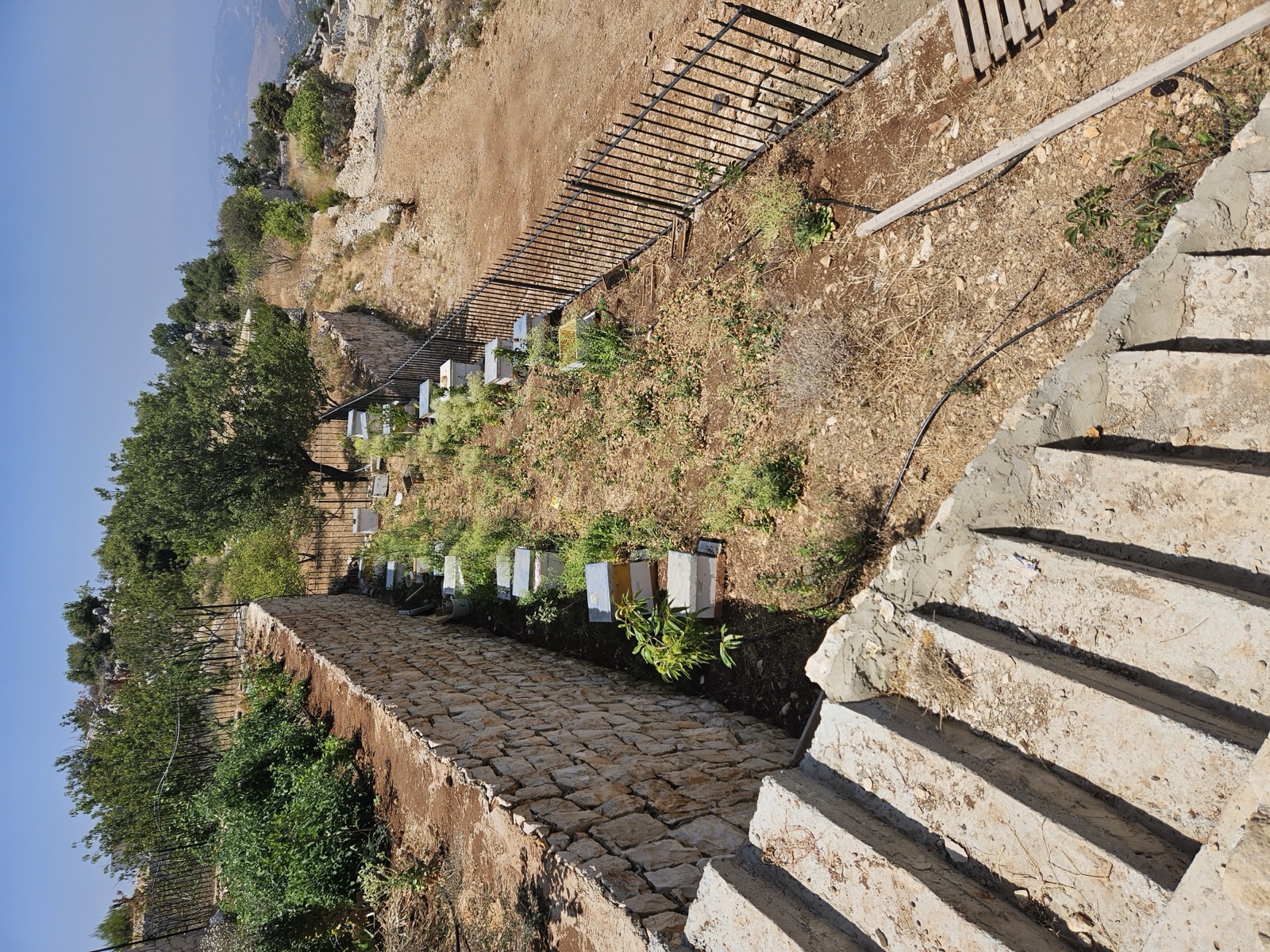
The first task of the day is always the same: check the hives. My father taught me to read the bees before reading anything else. You walk slowly toward the hives, watching the entrance. Are the bees flying with purpose? Is there a steady stream of foragers heading out? Are guard bees calm or agitated?
These small observations tell you everything. A healthy hive hums with a steady, low vibration. The bees move with intention. You learn to recognize when something is off, a change in sound, a shift in behavior, long before you open the hive.
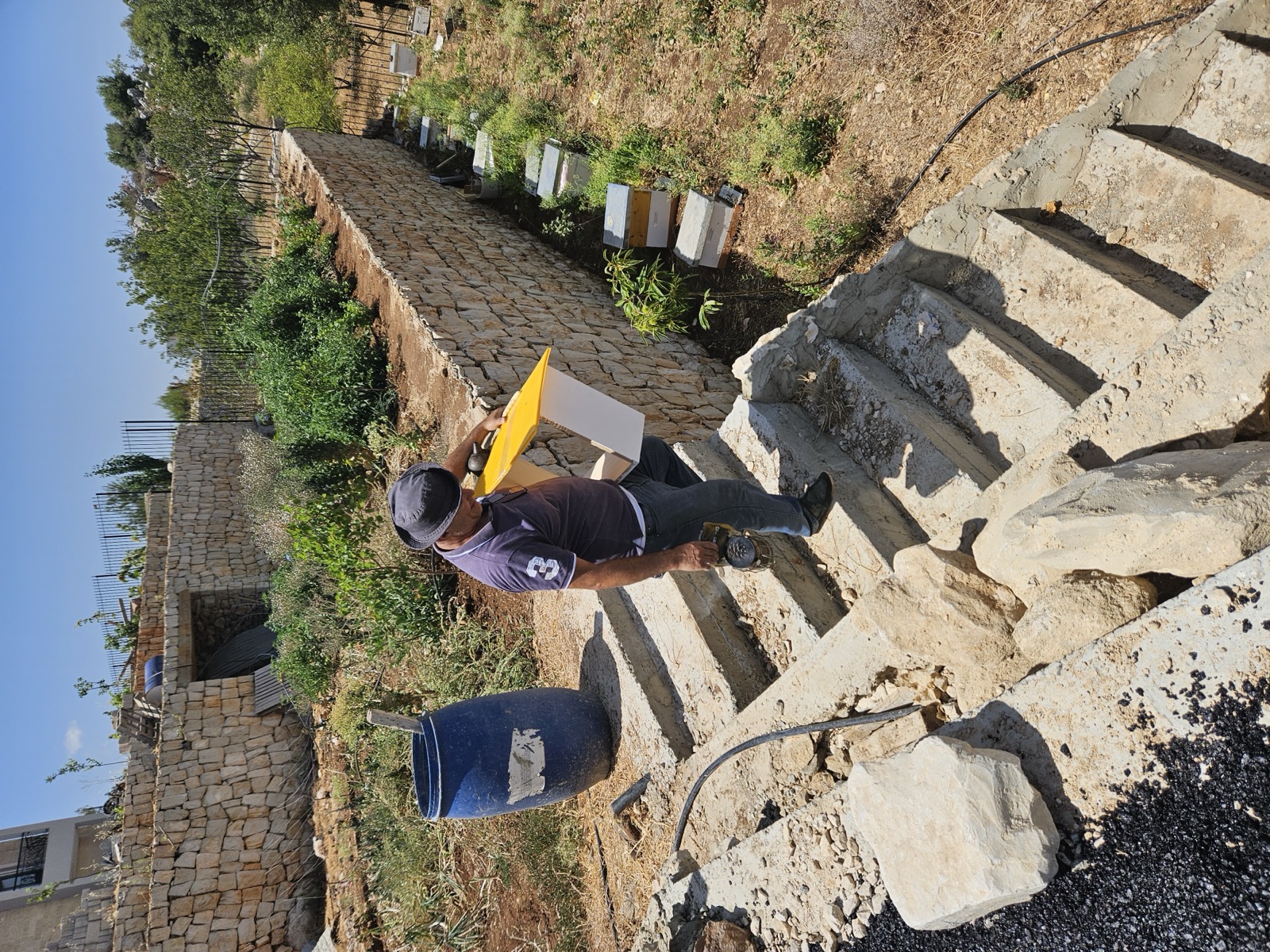
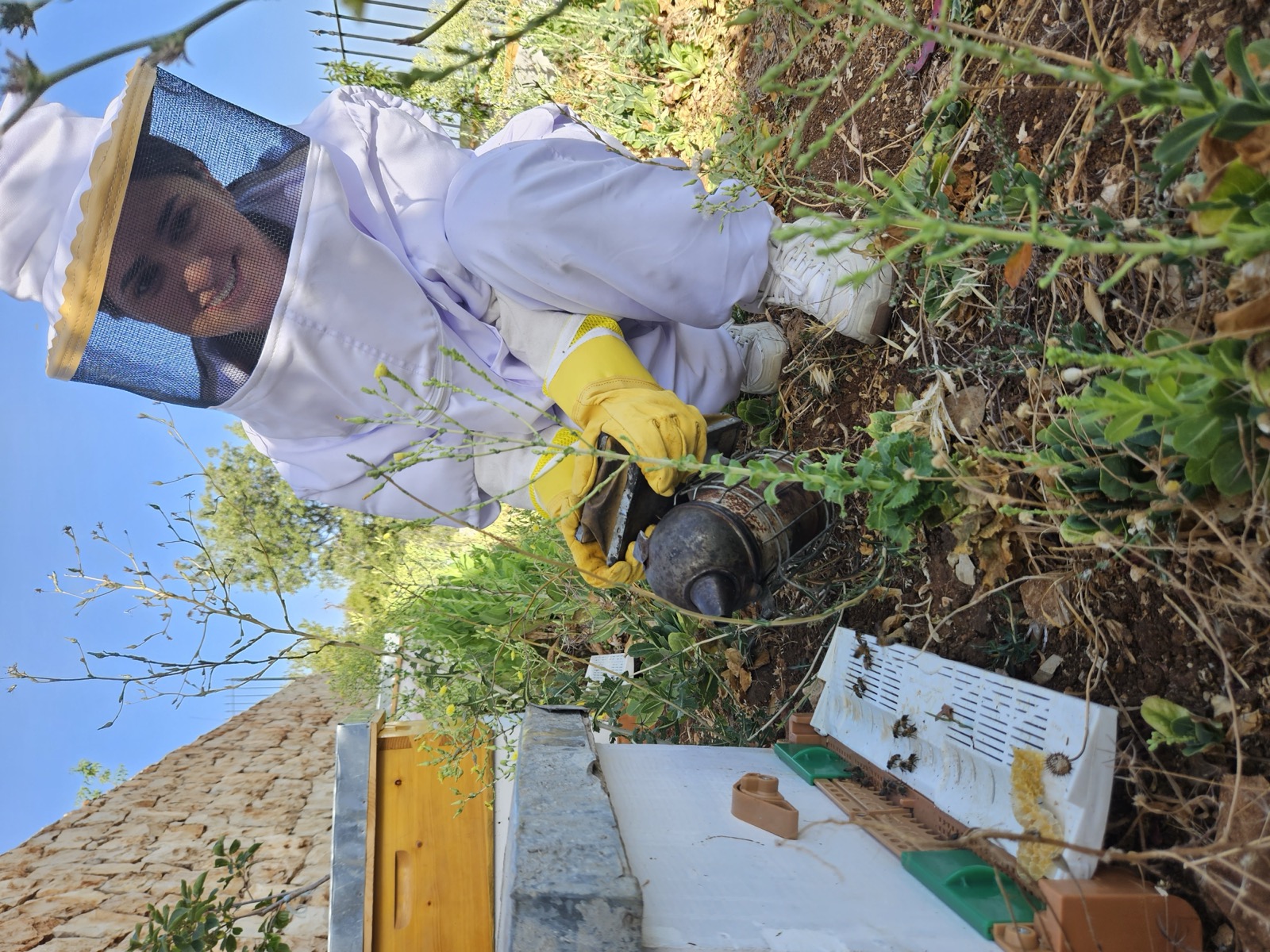
On a typical morning, I’ll inspect 10 to 15 hives. Each one gets a careful once over: checking for the queen, looking at brood patterns, assessing honey stores, and watching for signs of disease or pests. The smoker, a small bellows that produces cool white smoke from dried pine needles, keeps the bees calm as I lift each frame.
The Art of Not Interfering
The most important lesson my grandfather taught me was this: the bees know what they’re doing. Our job is not to control them; it’s to support them. We provide good homes, healthy environments, and enough space for them to thrive. In return, they share their honey with us.
This means we never use chemicals or antibiotics in our hives. If a colony is struggling, we strengthen it with bees from a healthy hive. If there’s a nectar shortage, we feed them their own honey, never sugar water. We work with the bees, not against them.
Midday: The Workshop
By late morning, the heat drives the inspection work to a close. The bees are most active and most defensive in the midday sun. This is when I move to the workshop: cleaning frames, repairing equipment, preparing new boxes for expanding colonies, and labeling jars from the latest extraction.
The extraction room is my favorite space. It’s where the transformation happens, where full honeycomb frames become the jars of liquid gold that end up on your table. The centrifuge spins the frames gently, and raw honey flows out in a thick, golden stream. The smell is intoxicating: warm wax, fresh honey, and the concentrated essence of whatever the bees were foraging on that week.
Evening: The Golden Hour
As the afternoon heat fades and the light turns golden, I often find myself sitting near the hives with a cup of tea and a spoonful of fresh honey. This is when the bees return from their last foraging flights, their legs heavy with pollen. The air is thick with the scent of thyme and wildflowers.
It’s in these quiet moments that I feel most connected to this work: to my grandfather who started it all, to this land that feeds our bees, and to the simple, ancient relationship between humans and honeybees. We take care of them, and they take care of us.
Every jar of Dany’s Bees honey carries this daily ritual inside it. When you open it at your breakfast table, you’re tasting not just the flowers of Northern Lebanon, but the care of a family that has dedicated three generations to getting this right.